
Deck & Fence Cleaning
Restore your deck or fence with safe, professional cleaning
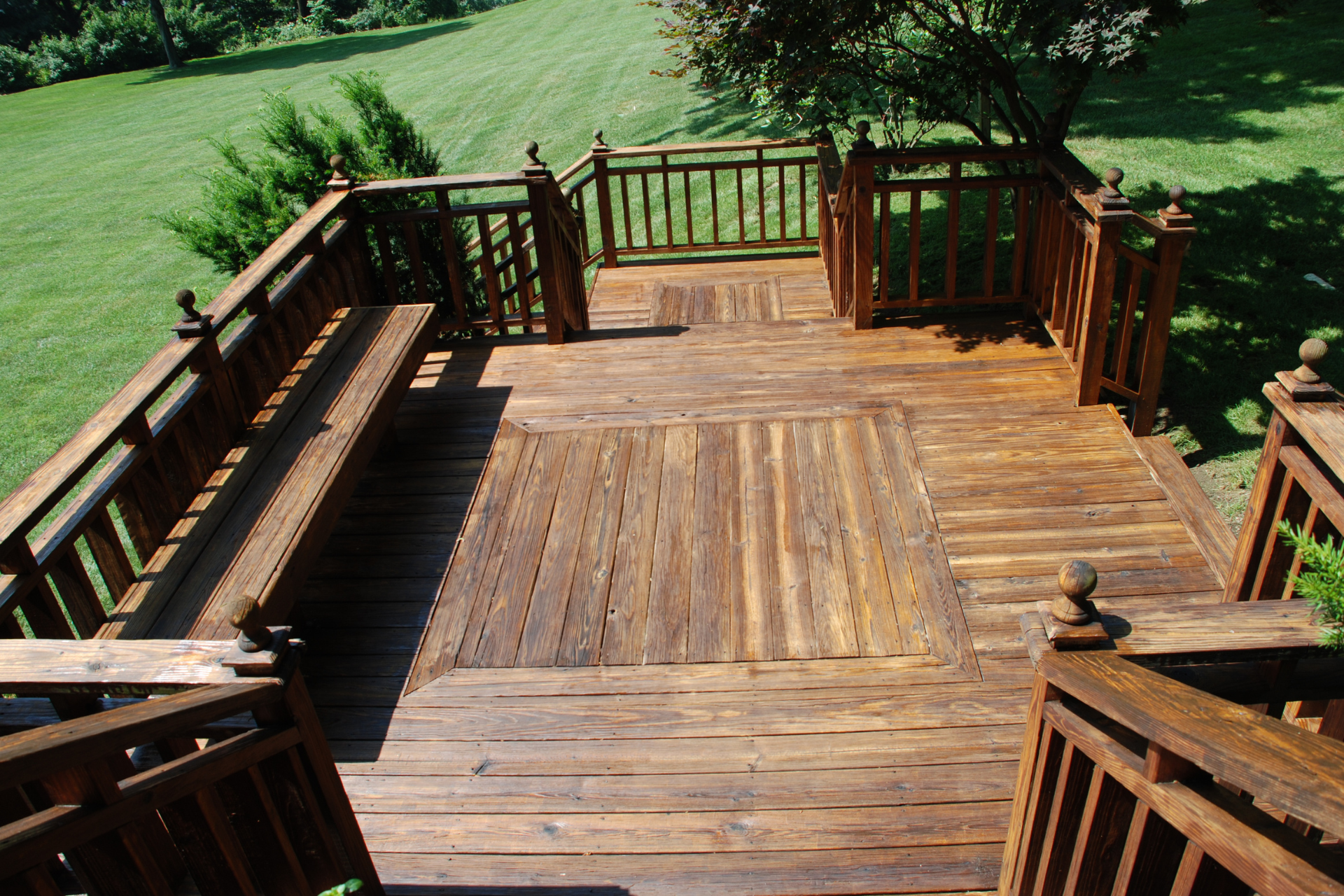
Deck Restoration in Oregon City
This weathered deck got its rich, deep color back with our wood-safe restoration process. No pressure and no bleach, just professional-grade cleaners and restorers matched to the wood and applied by hand, so the boards come back without damage.
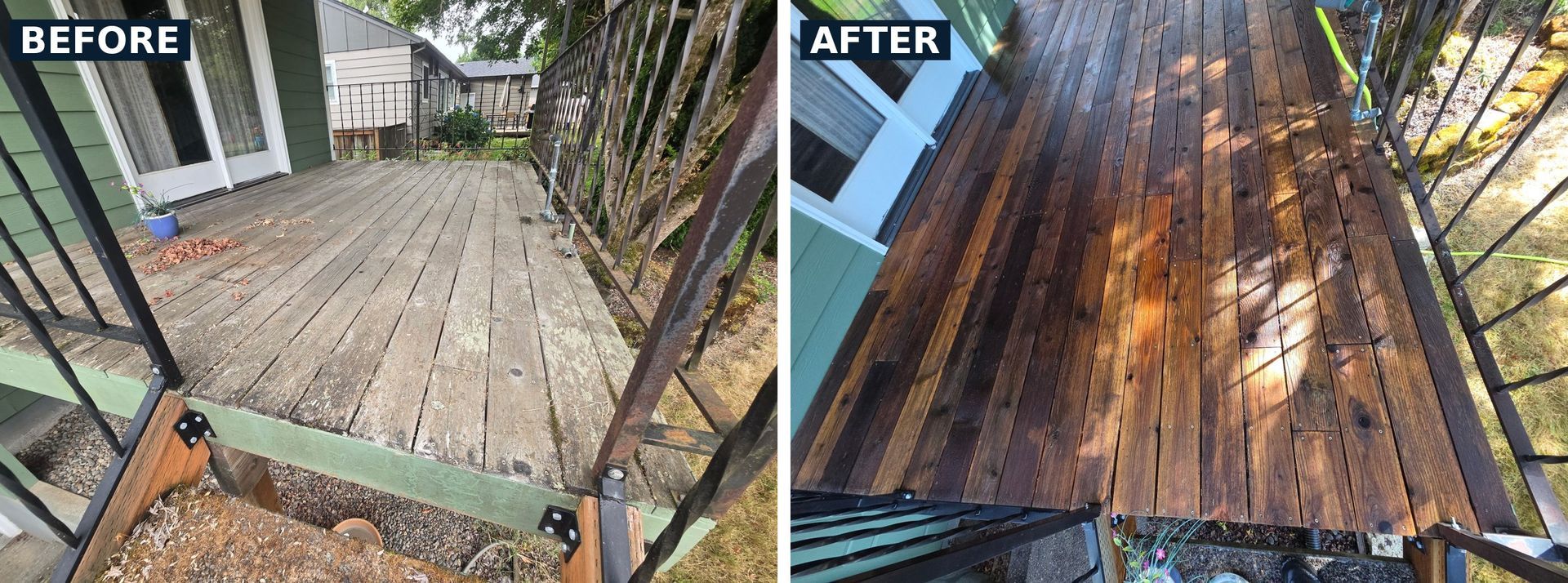
Restore the Beauty of Your Outdoor Spaces Without Causing Surface Damage
Decks and fences are constantly exposed to rain, moisture, UV rays, algae, moss, mildew, and dirt, causing them to lose their natural beauty over time. Without proper cleaning, organic buildup can trap moisture, accelerate deterioration, and shorten the life of your outdoor surfaces. At
Oregon City Pressure Washing, we use customized cleaning methods to safely restore wood, composite, vinyl, and cedar decks and fences without using excessive pressure that can cause damage.
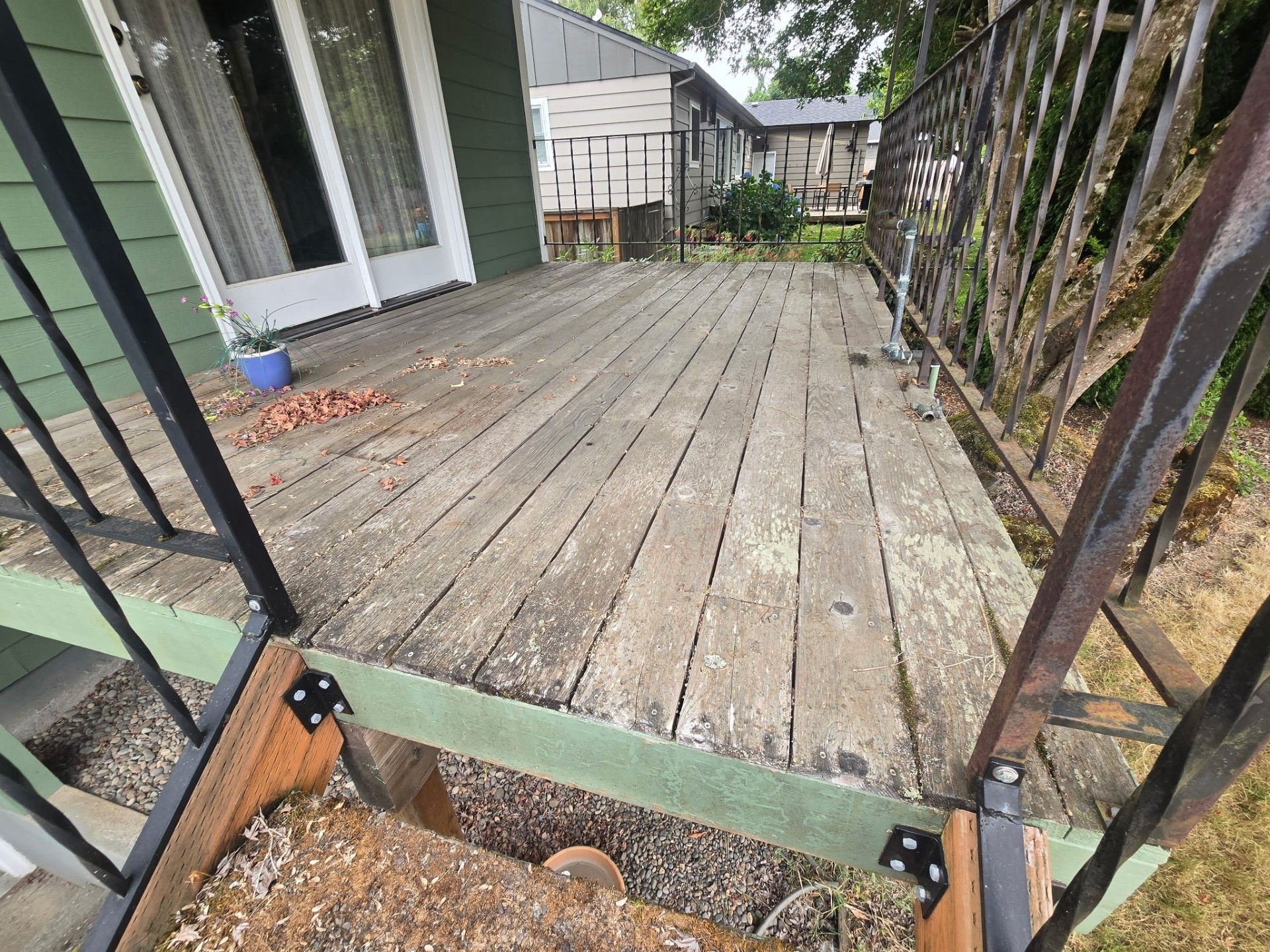
How to Know It's Time to Clean Your Deck or Fence
Outdoor surfaces naturally collect dirt and organic growth, but waiting too long to clean them can lead to discoloration and unnecessary wear.
Here are some signs your deck or fence could benefit from professional cleaning:
- Green algae or moss growing on the surface
- Black mildew or dark staining
- Slippery decking after rain
- Dirt and grime that won't rinse away
- Faded or weathered appearance
- Wood looks dull or discolored
- You're preparing your home for guests or selling your property
If your deck or fence is showing these signs, professional cleaning can help restore its appearance while protecting the material from long-term damage.
What to Expect From Our Deck & Fence Cleaning
Process
Every project begins with a thorough inspection to identify your deck or fence material and determine the safest, most effective cleaning method. We then remove dirt, algae, moss, mildew, and stains using professional equipment and customized cleaning solutions that protect the surface from unnecessary damage. After the cleaning is complete, we perform a final quality inspection to ensure your deck or fence is left looking clean, refreshed, and ready to enjoy.
Why Homeowners Choose Oregon City Pressure Washing
Cleaning a deck or fence requires more than simply turning up the pressure. Using the wrong equipment or cleaning method can permanently damage wood fibers, leave visible pressure marks, or reduce the lifespan of the material. Aaron Jones is OSHA 30 Certified and uses ANSI-certified safety equipment, along with customized cleaning techniques designed for each surface. As a family-owned and locally operated business, we're committed to protecting your property while delivering professional results you can trust.

Frequently Asked Questions
Do you pressure wash or soft wash decks and fences?
It depends on the material. Wood and cedar are typically soft washed at low pressure with specialized solutions, because high pressure can splinter the wood, raise the grain, or leave permanent etch marks. Composite and vinyl can handle slightly more pressure. We inspect each surface first and match the method to the material rather than using one setting for everything.
Will cleaning strip the stain or sealant off my deck?
Our goal is to remove algae, moss, mildew, and dirt — not your finish. A properly applied soft wash cleans the surface without prematurely stripping stain or sealant. That said, if your coating is already old, peeling, or failing, cleaning can reveal areas that were already due to be re-stained or re-sealed.
How soon after cleaning can I stain or seal my deck?
Wood needs to fully dry first — usually 24 to 48 hours in dry weather, and longer in Oregon's cooler, damp conditions. Sealing over damp wood traps moisture and causes the finish to peel. If staining is your goal, cleaning first is the correct order.
Why does moss keep coming back on my deck and fence?
Oregon's moisture and shade create ideal conditions for moss and algae, so some regrowth is natural. Professional cleaning removes it at the surface and slows its return, but shaded or tree-covered areas will always grow back faster. Trimming overhanging branches for more sunlight and scheduling periodic cleaning keeps it in check.
Can you save an old, gray, weathered fence, or is it too far gone?
In most cases, cleaning removes the gray surface layer and reveals much healthier-looking wood underneath, since graying is often just oxidation and organic buildup rather than permanent damage. We'll let you know honestly during the inspection if a section is too deteriorated to restore and would be better replaced.
Let’s Get Your Cleaning Project Started
From your home’s exterior to your business or equipment, we’re ready to discuss what you need cleaned.
